
A lectio divina theme: contemplation pt. 2 0f 3
We’re skating over the depths of our lives --- James Finley
Contemplative prayer allows the peace of God to slowly overtake us. We die to ourselves and all that the culture of war could offer, surrendering into the abyss of God. . . . We give God our inner violence and resentments, our hurts and anger, our pain and wounds, our bitterness and vengeance. We grant clemency and forgiveness toward those who have hurt us, and move from anger, revenge, and violence to compassion, mercy, and nonviolence. This quiet, daily, uneventful experience of contemplative prayer transforms us into peacemakers. Though it might feel like sitting in darkness, it enables us to walk in light. –John Dear
Carpe Diem: seize the day. What if this doesn’t mean demanding my way or my striving performance but awareness to embrace God’s way of the soul’s illumination today in my life? –PRH
When we most deeply listen and respond from a third place in us, our spiritual heart, then we more easily avoid the pitfalls of rational idolatry and ego drives, while at the same time respecting the gifted place of rational-imaginative thought and ego functioning in our lives. Our gifted contemplative heart includes our capacity not only to will and intimately feel, but also to “know” deep reality more holistically, intuitively, and directly than our categorizing, thinking minds. In our heart we are immediately present to what is, just as it is, in the receptive space before our thinking mind begins labeling, interpreting, and judging things, and before our ego fears and grasping become operational. –Tilden Edwards
Sitting still is a way of falling in love with the world and everything in it –Pico Ayer
A sunlit absence is: a moving away from identifying with turbulent ever-changing thoughts and obsessions and emotions. We cultivate the absence of them; and rather cultivate the voluminous summit of presence and awareness. It is a pathless path of still prayer. – Martin Laird , from A Sunlit Absence
If we practice contemplation: We can be tender hearted, trustful, and empathetic and hopeful; it humanizes ourselves and others, rather than dehumanization from screens; the harshness of the world recedes. – Brian McLaren
All forms of contemplation share the same goal: to help us see through the deceptions of self and world in order to get in touch with what Howard Thurman called “the sound of the genuine” within us and around us. Contemplation does not need to be defined in terms of particular practices, such as meditation, yoga, tai chi, or lectio divina. Instead, it can be defined by its function: contemplation is any way one has of penetrating illusion and touching reality. —Parker Palmer
*****
Daily contemplative prayer helps us rediscover our inherent union and learn how to abide in Presence, trusting that we are already good and safe in God. We don’t have to worry about our little private, separate, insecure self. Jesus taught, I am one with you and you are one with your neighbor and we are all one with God. That’s the gospel! —Richard Rohr
By contemplation, we mean the deliberate seeking of God through a willingness to detach from the passing self, the tyranny of emotions, the addiction to self-image, and the false promises of the world. – Rohr
What we now call contemplation—a unique way of knowing—is a rediscovery of our earlier Christian practice. Basically, contemplation is the way you know and think of yourself when you are sincerely praying and present—as opposed to thinking, arguing, or proving. – Rohr
*****
Contemplative vision is the heart of the Christian life by which we are brought into a new reality, connected through the heart to the whole of life, attuned to the deeper intelligence of nature, and called forth irresistibly by the Spirit to creatively express our gifts in the evolution of self and world. – Ilia Delio
Contemplation: a susceptibility to the radiance of the world. - Brian McLaren
Authentic prayer is opening to God’s gracious presence with all that we are, with what Scripture summarizes as our whole heart, soul, and mind (Matthew 22:37). Therefore prayer is more a way of being than an isolated act of doing. Prayer is aimed at our deepest problem: our tendency to forget our liberating connectedness with God. Quiet, contemplative prayerhappens when we are still and open ourselves to Christ’s Spirit working secretly in us, when we heed the psalmist’s plea: “Be still and know that I am God” (Psalms 46:10). These are times when we trustingly sink into God’s formless hands for cleansing, illumination, and communion. We are in a state of quiet appreciation, simply hollowed out for God.--Tilden Edwards
Lectio divina contemplative reading is not bible study – it is bible communion. It’s a slow prayerful encounter with the Word of God meant to move the soul from reading about God to resting in God. — AI response to lectio divina
Logos by Mary Oliver
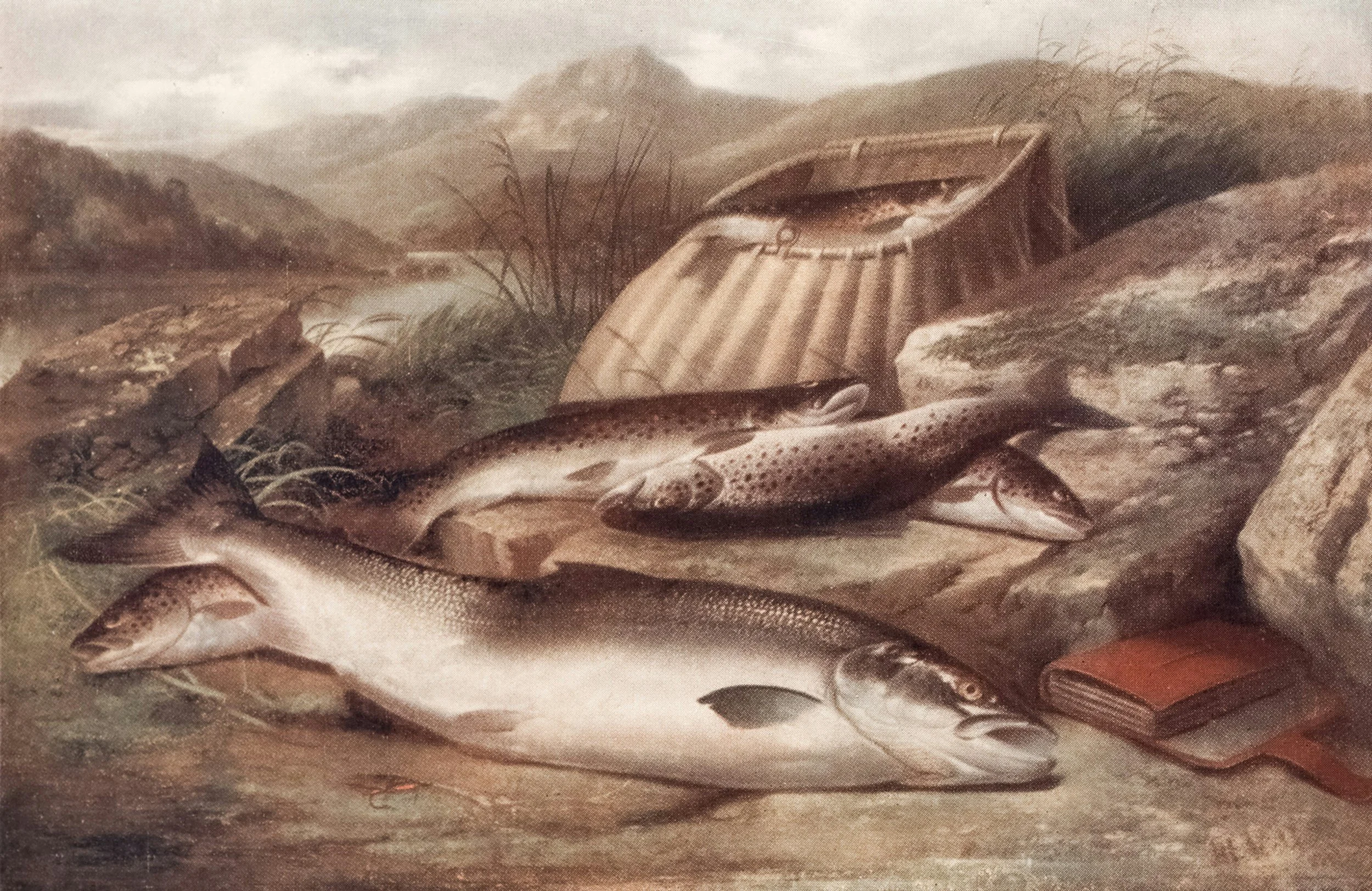
Why wonder about the loaves and fishes?
If you say the right words, the wine expands.
If you say them with love
and the felt ferocity of that love
and the felt necessity of that love,
the fish explode into many.
Imagine him, speaking,
and don’t worry about what is reality,
or what is plain, or what is mysterious.
If you were there, it was all those things.
If you can imagine it, it is all those things.
Eat, drink, be happy.
Accept the miracle.
Accept, too, each spoken word
spoken with love.
All donations go directly to Pat & Sarah’s work of welcoming presence, spiritual friendship, pastoral care, and stewardship of land; also donations support Pat’s writings. (suggested: $20-$40/mo)
Subscribe to writing posts on home page (bottom).
To donate, go to ‘support’ page here: